
Founder Mode Engaged
Nov 03, 2025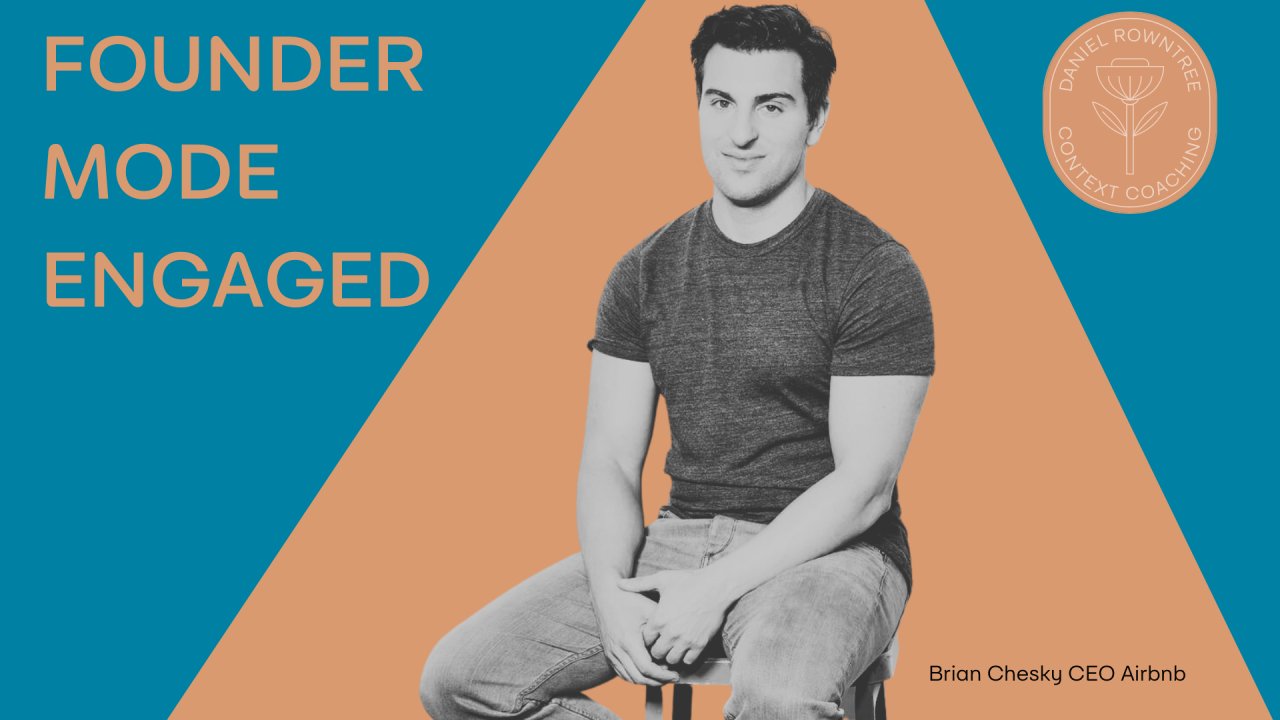
In a recent essay, Paul Graham , co-founder of Y Combinator , sparked a lively debate about the contrasting management styles in leadership: “founder mode” versus “manager mode.” Inspired by a talk from Airbnb CEO Brian Chesky , Graham argues that while conventional wisdom suggests delegating work to direct reports in “manager mode,” this approach can stifle the unique strengths of founders.
Instead, Graham champions “founder mode,” where leaders engage deeply with their teams across all levels, similar to how Steve Jobs once led Apple.
The essay explores how “manager mode” emphasises hiring good people and letting them do their jobs independently, but Graham points out that this hands-off approach can sometimes lead to a loss of control and direction. On the other hand, “founder mode” involves a more hands-on approach, such as conducting skip-level meetings and including the most impactful employees—rather than just the highest-ranking ones—in decision-making processes.
Reflecting on my own experience as a founder in the UK FMCG sector, I’ve seen firsthand how shifting from founder mode to manager mode can disrupt a company's momentum.
I had 3 years investing and supporting founders as part of a fund created to invest in the drinks of the future, a fund ultimately controlled by people that had not founded a business before, and corporate investors, we attempted to impose a delegation-centric management style, believing it was the right step for scaling.
However, that approach didn’t align with the entrepreneurial spirit that had driven the company’s initial success.
It’s not just about managing efficiently but about staying connected to the core of the business, something that “manager mode” often lacks.
Graham acknowledges that while delegation is necessary as companies grow, there’s a critical balance to be struck.
Copy of Founder Mode vs. Manager Mode: A Lesson for FMCG Leaders
Poor managers might misuse founder mode as an excuse for micromanagement, but Graham insists that when done correctly, founder mode can unleash the full potential of a company.
Ultimately, Graham’s essay challenges business leaders to rethink how they scale their companies. It’s not a call to abandon delegation but to be more deliberate about when and how to engage directly with the organisation.
As I’ve learned, embracing founder mode in the right measure can keep the innovative spirit alive, even as the company grows beyond its startup roots.
This is why my belief in coaching for founders has never been stronger - we keep founders accountable, but help them remain open to possibility.
Which I can now refer to as FOUNDER MODE, engaged at all times.
Subscribe to my newsletter.
Join the mailing list for more of my articles, models and frameworks.
Don't worry, your information will not be shared.
We hate SPAM. We will never sell your information, for any reason.
